How PRP works
- A small amount of blood is drawn, as for a routine test.
- It is spun in a centrifuge, which separates the red cells from a golden plasma rich in platelets and white cells.
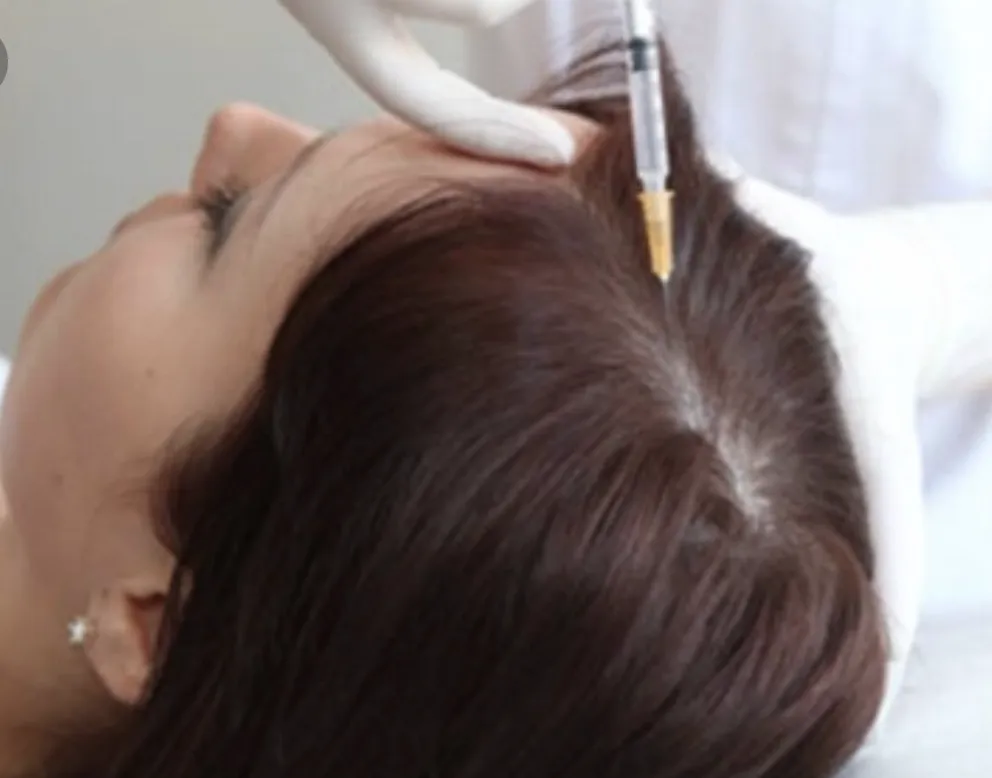
- The concentrated plasma is injected into the area being treated.
Platelets exist to stop bleeding and heal tissue, and they release growth factors that support new cell growth. Athletes have long used PRP for tendon and joint injuries. In the skin, it stimulates collagen and boosts circulation, which is where the immediate rosy glow comes from, then helps tighten, smooth and even out tone.
What it is used for
- Hair loss
- Dark circles under the eyes
- Neck rejuvenation
- With microneedling
- With hyaluronic acid fillers
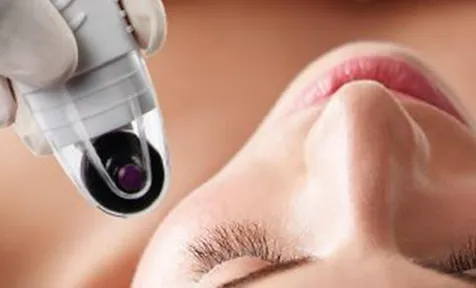
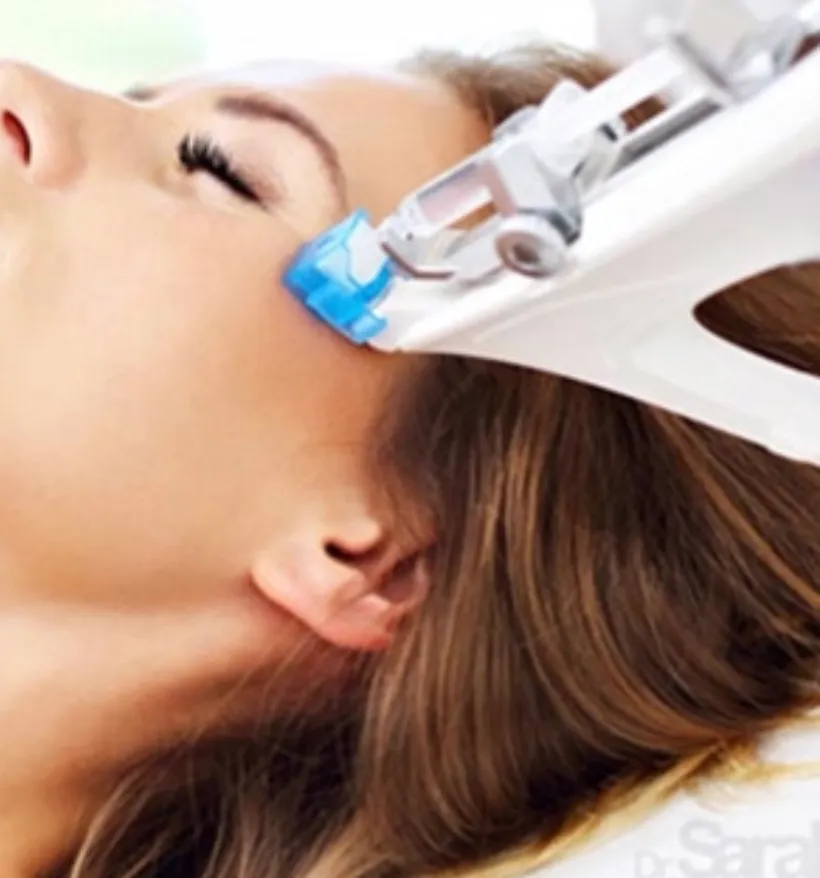
PRP and microneedling together
Both stimulate collagen and they work better together: microneedling works from the surface while PRP works beneath it. Results are gradual. Changes start to show at about four weeks, with clear improvement in tone and texture at six to twelve weeks, and the result can last a year or more.
When PRP is not suitable
PRP is safe for almost everyone, but it is not done if you have:
- Very low platelet count
- Haemodynamic instability
- Sepsis, or an acute or chronic infection
- Chronic liver disease
- Anticoagulant therapy (warfarin, dabigatran, heparin)
- Cancer
- Corticosteroid treatment
- A recent fever or illness
PRP rejuvenation FAQ
When will I see results from PRP?
Usually from about four weeks, with the biggest change between six and twelve weeks. Many people simply look more rested and fresh.
How long does PRP last?
Results can last 12 months or more.
Can PRP be combined with other treatments?
Yes. The clinic most often pairs it with microneedling, and it is part of the hair-loss protocol alongside mesotherapy.
This page is general information, not medical advice. Your suitability for any treatment is confirmed at a consultation with Victoria Adamov, RN.